
10 Best Free Standing Air Conditioner We've Tested 2026: Top Rated
Alex Martinez, Mike Kim Jun 8, 2026 12:59 PM
Best free standing air conditioner options can solve the frustration of hot rooms, poor airflow, and installation limitations, but choosing the right model is often harder than it seems. Many portable units advertise similar cooling capacities, room coverage, and smart features, yet their real-world performance can vary significantly depending on room size, humidity levels, noise tolerance, and maintenance requirements.
This guide examines 10 carefully selected models ranging from compact bedroom units to higher-capacity systems designed for larger living spaces. Understanding the trade-offs between cooling power, noise levels, drainage requirements, smart controls, and portability is essential before making a purchase. Homeowners interested in improving overall household technology may also benefit from exploring advanced network security solutions for connected smart devices.
10 best free standing air conditioner

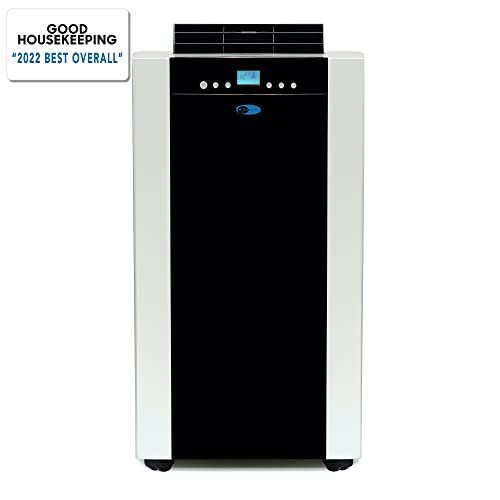

- 9.5
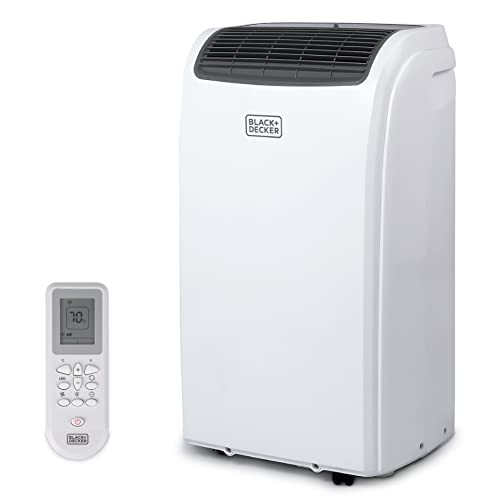
- BrandBLACK+DECKER
- Prime
- 9.3
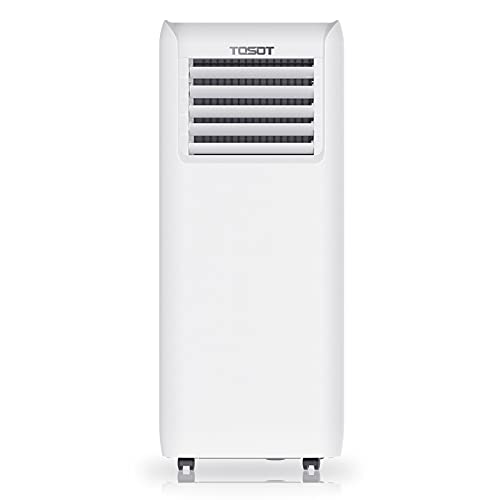
- BrandTOSOT
- Prime

- 9.2
- BrandBLACK+DECKER

- 8.8
- BrandDOMANKI

- 8.7
- BrandHUMHOLD
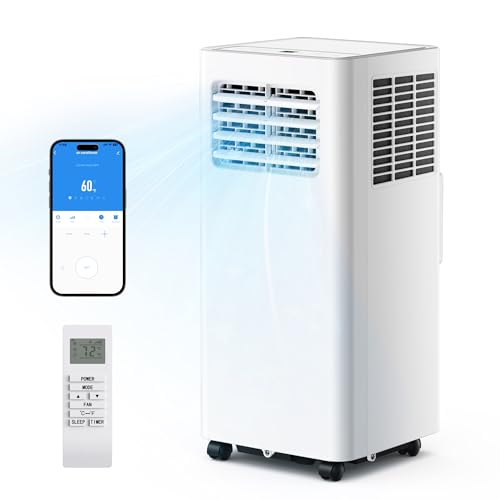
- 9.6
- BrandEUHOMY
- 8.4
- BrandN/A
Last update on 2026-06-08 / Affiliate links / Images, Product Titles, and Product Highlights from Amazon Product Advertising API
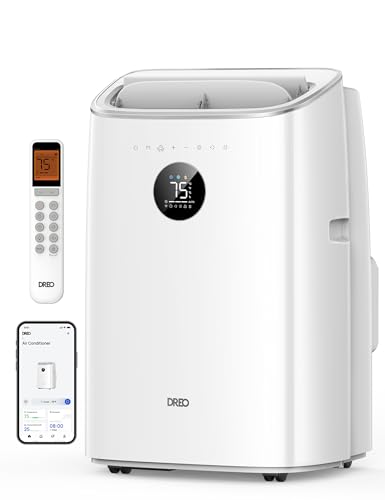
Cooling capacity alone does not determine whether a portable air conditioner will perform well in your home. Models such as the Whynter ARC-14S emphasize dual-hose efficiency, while units like the DREO 318S focus on quiet operation and smart controls. Evaluating room coverage, noise levels, control options, and cooling output provides a more practical comparison than looking at BTU ratings alone.
For homeowners building a broader smart home ecosystem, it may also be useful to review reliable wireless connectivity options that support app-controlled appliances.
| Product | Cooling Capacity | Coverage Area | Noise Level | Smart Control |
|---|---|---|---|---|
| Ivation 13,000 BTU Wi-Fi | 13,000 BTU | 500 sq ft | 55 dB | App + Remote |
| Whynter ARC-14S | 14,000 BTU | 500 sq ft | 51 dB | Remote |
| HUMHOLD 14,000 BTU | 14,000 BTU | 700 sq ft | 48 dB | Remote |
| BLACK+DECKER BPACT08WT | 8,000 BTU | 400 sq ft | 52 dB | Remote |
| TOSOT Aovia 9,500 BTU | 9,500 BTU | 300 sq ft | 51 dB | Remote |
| BLACK+DECKER BPACT12WT | 12,000 BTU | 550 sq ft | 52 dB | App + Voice + Remote |
| DOMANKI 12,000 BTU | 12,000 BTU | 500 sq ft | 48 dB | Remote |
| HUMHOLD 12,000 BTU | 12,000 BTU | 500 sq ft | 48 dB | Remote |
| EUHOMY 14,000 BTU Smart | 14,000 BTU | 650 sq ft | 52 dB | App + Remote |
| DREO 318S | 8,000 BTU | 150 sq ft | 45 dB | App + Voice + Remote |
1. Ivation 13,000 BTU Wi-Fi Portable Air Conditioner
| Pros | Cons |
|---|---|
| Wi-Fi app control | Single-hose design |
| 500 sq ft coverage | Moderate operating noise |
| 3-in-1 functionality | No inverter technology |
| Portable wheel system | |
| Remote operation | |
| Continuous drainage option |
Detailed Review
The Ivation 13,000 BTU Portable Air Conditioner focuses on balancing cooling performance with modern convenience. Its freestanding design is straightforward, with integrated wheels, carry handles, and a compact footprint that allows it to move between rooms without much effort. The digital display remains easy to read, while the control layout feels approachable even for users who are unfamiliar with smart appliances.
In daily operation, the unit is designed to cool medium-sized rooms efficiently while also addressing humidity and air circulation. The combination of cooling, fan, and dehumidifier modes gives it flexibility throughout changing weather conditions. Its coverage area makes it suitable for living rooms, bedrooms, home offices, and studio apartments where a fixed installation is not practical.
The standout feature is the integrated Wi-Fi connectivity. Through the companion app, users can adjust temperatures, switch operating modes, control fan speeds, and schedule operation remotely. This adds a level of convenience that is particularly useful for those who want to cool a room before arriving home or manage comfort settings without using the remote control.
This model is best suited for buyers seeking a practical blend of smart technology and portable cooling. It delivers a user-friendly experience with enough versatility to serve as a year-round climate management solution in many residential spaces.
2. Whynter ARC-14S Dual Hose Portable Air Conditioner
| Pros | Cons |
|---|---|
| Dual-hose cooling system | Large physical footprint |
| Strong airflow output | Heavier than many competitors |
| High dehumidification capacity | No app connectivity |
| Activated carbon filtration | |
| Auto-drain functionality | |
| Large room coverage |
Detailed Review
The Whynter ARC-14S is built with performance as the primary objective. Its larger cabinet size immediately suggests that it is intended for demanding cooling tasks rather than compact-room convenience. The overall construction feels purpose-driven, with a sturdy design that prioritizes airflow, cooling capacity, and long-term reliability.
Where this unit stands out is its dual-hose configuration. Unlike many portable air conditioners that rely on a single exhaust hose, the dual-hose setup helps improve cooling efficiency by reducing negative air pressure inside the room. This design can be particularly beneficial in larger spaces where maintaining consistent temperatures becomes more challenging.
The inclusion of a built-in dehumidifier, washable pre-filter, and activated carbon filter enhances its versatility beyond simple cooling. Automatic condensate management further reduces maintenance requirements in many environments. These features help make the system suitable for continuous use during long summer periods.
This model is an excellent fit for homeowners who prioritize cooling effectiveness over compact size. It is especially well suited for larger rooms, warm climates, and users who want a portable air conditioner capable of handling heavier workloads without requiring constant attention.
3. HUMHOLD 14,000 BTU Portable Air Conditioner
| Pros | Cons |
|---|---|
| 700 sq ft coverage | Bulky for small rooms |
| 95-pint dehumidification | No Wi-Fi connectivity |
| Quiet sleep mode | Drainage needed in high humidity |
| Auto-swing airflow | |
| Smart temperature mode | |
| Self-evaporation system |
Detailed Review
The HUMHOLD 14,000 BTU Portable Air Conditioner is designed for users who need substantial cooling coverage without installing a permanent system. Its tower-style form factor remains relatively compact considering its capacity, and the integrated wheels and handles make relocation manageable despite its larger size.
Cooling performance is one of the strongest aspects of this model. The unit is intended for larger living spaces and can handle open rooms, basements, garages, and apartments where smaller portable air conditioners may struggle. The wide-angle auto-swing function helps distribute cooled air more evenly throughout the room rather than concentrating airflow in a single direction.
Beyond cooling, the substantial dehumidification capability adds practical value in humid climates. Smart mode automatically adjusts operation based on room conditions, while sleep mode focuses on maintaining comfort with lower noise levels. The self-evaporation system also minimizes routine maintenance under normal operating conditions.
This air conditioner is a strong choice for buyers who need both cooling power and humidity control in larger spaces. It offers a well-rounded ownership experience that emphasizes comfort, flexibility, and dependable climate management throughout the warmer months.
Match cooling power to the actual room size
One of the most common buying mistakes is selecting a unit based on advertised BTU numbers without considering the room itself. A large open-concept living area requires substantially more cooling capacity than a small bedroom, especially in warm climates or rooms with direct sunlight.
The HUMHOLD 14,000 BTU and EUHOMY 14,000 BTU models are better suited for larger spaces, while the DREO 318S makes more sense for bedrooms and offices where targeted cooling is the primary goal.
Noise can matter more than cooling performance
Many buyers focus entirely on cooling output and overlook daily comfort. A unit that cools effectively but produces constant compressor noise can become frustrating in bedrooms, home offices, or media rooms.
The DREO 318S stands out for its lower operating noise, while models such as the DOMANKI 12,000 BTU also prioritize quieter operation. Light sleepers should place greater emphasis on noise ratings than maximum cooling power.
Consider drainage and humidity management
Portable air conditioners often serve as dehumidifiers as well. However, moisture removal can create additional maintenance requirements depending on your local climate.
The Whynter ARC-14S and HUMHOLD 14,000 BTU both include self-evaporation features that reduce routine draining. In extremely humid environments, periodic drainage may still be necessary, so buyers should understand these limitations before purchasing.
Smart controls are convenient but not essential
Wi-Fi connectivity allows users to adjust settings remotely, schedule cooling cycles, and integrate voice assistants. These features improve convenience but do not directly increase cooling effectiveness.
The Ivation Wi-Fi model and BLACK+DECKER BPACT12WT offer stronger smart-home integration than many competitors. If remote management is important, these models provide additional flexibility without requiring manual adjustments.
Installation simplicity affects long-term satisfaction
Most free standing air conditioners use a window venting kit, but installation quality influences performance. Poorly sealed windows can reduce efficiency and increase energy consumption.
The TOSOT Aovia emphasizes easier installation, while several other models include adjustable window kits designed for a wider range of window sizes. Homeowners interested in improving overall household safety may also want to review modern smoke detection systems alongside climate-control upgrades.
The products were evaluated based on factors that directly affect ownership experience rather than relying solely on manufacturer specifications. Cooling coverage was considered in relation to intended room size, recognizing that oversized and undersized units can both create efficiency issues.
Noise levels received significant attention because portable air conditioners often operate in bedrooms and living spaces where comfort matters. Smart features were assessed from a convenience perspective rather than as indicators of cooling performance.
Drainage requirements, dehumidification capabilities, installation complexity, and mobility were also important considerations. Units that reduce maintenance demands or simplify setup can provide better long-term value, even when competing products offer similar cooling capacities.
Finally, overall value was assessed by balancing performance, usability, flexibility, and practical household applications rather than focusing on any single feature category.
These three models stand out for different reasons and represent strong choices depending on room size, cooling demands, and feature preferences. For homeowners expanding smart outdoor systems, it may also be worth exploring reliable outdoor detection options as part of a broader home upgrade strategy.
Smart Choice: Ivation 13,000 BTU Wi-Fi: A balanced option for medium-sized rooms with useful app control and flexible operation. It offers a practical combination of cooling, dehumidification, and portability.
Best Overall: Whynter ARC-14S: The dual-hose design helps improve cooling efficiency compared with many single-hose alternatives. It remains one of the strongest choices for larger rooms that need consistent temperature control.
Large Room Pick: HUMHOLD 14,000 BTU: Its larger coverage area and strong dehumidification capability make it a practical solution for open spaces, basements, and rooms with persistent humidity challenges.
What is the difference between a free standing air conditioner and a window air conditioner?
A free standing air conditioner sits inside the room and vents warm air through a hose connected to a window kit. Window units are mounted directly in the window opening and generally offer slightly better cooling efficiency, but they are less portable.
How large of a room can the best free standing air conditioner cool?
The answer depends on the specific model. Some compact units are designed for small bedrooms, while higher-capacity models can effectively cool spaces between 500 and 700 square feet when properly installed.
Do portable air conditioners require draining?
Many modern units use self-evaporation systems that reduce the need for manual draining. However, high-humidity environments may still require occasional drainage, especially when using dehumidification modes.
Are smart controls worth paying for?
Smart controls improve convenience by allowing scheduling, remote operation, and voice assistant integration. They are most valuable for users who frequently adjust settings throughout the day or want to cool rooms before arriving home.
Can a portable air conditioner stay installed year-round?
Yes, but many owners remove the window vent kit during cooler months. Seasonal removal can improve window insulation and reduce drafts when cooling is no longer needed.
How can I improve the efficiency of a best free standing air conditioner?
Keeping doors and windows closed, sealing gaps around the vent kit, cleaning filters regularly, and using shades or curtains during peak sunlight hours can significantly improve cooling performance. Homeowners looking to strengthen exterior security at the same time can review effective outdoor lighting upgrades for additional home improvements.

Alex Martinez
Alex Martinez used to be an engineer who built houses with futuristic technology, he has extensive knowledge in this field. He enjoys reading books and singing. He always attracts people with his knowledge and interest in singing.









- How to Clean Your Air Conditioner So It Runs Like New All Summer
- Sainlogic SA7 Review: The Best WIFI Smart Weather Station
- Cheap Robot Vacuum and Mop Options for Efficient Home Cleaning
- How to choose a robot vacuum for pet hair
- Ultimate Guide: How to Protect Your Outdoor Security Cameras from Hacks and Vandalism
- How to Maximize Cooling Efficiency with the Best Portable Air Conditioner
- How To Maintain And Clean Your Cooling Fan For Longevity
- How to Fix Smart Switch Won't Connect to Device
- The best smart Wi-Fi router for home
- Guide to cleaning washing machines at home