
The Best Commercial Single Serve Coffee Maker - Best Reviews 2026
Abolarin Samuel Mar 31, 2026 11:32 AM
Choosing the best commercial single serve coffee maker is a practical decision for offices, cafés, and hospitality settings where speed, consistency, and portion control matter. Here’s the thing: commercial single-serve machines differ widely in brew quality, capacity, maintenance needs, and pod compatibility, all of which affect daily operations and long-term costs. Why it matters: this review examines top options based on performance, durability, and real-world use to help readers make a well-informed purchasing decision.
Compare Products
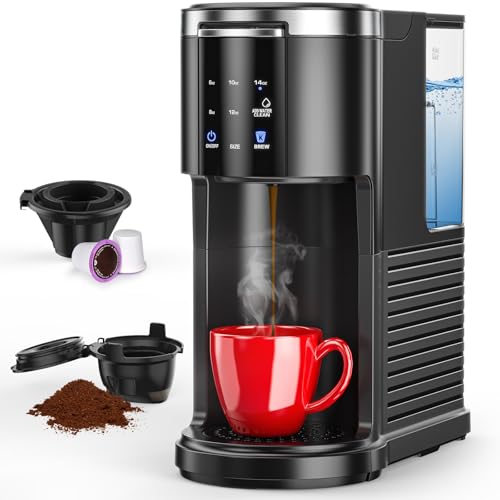

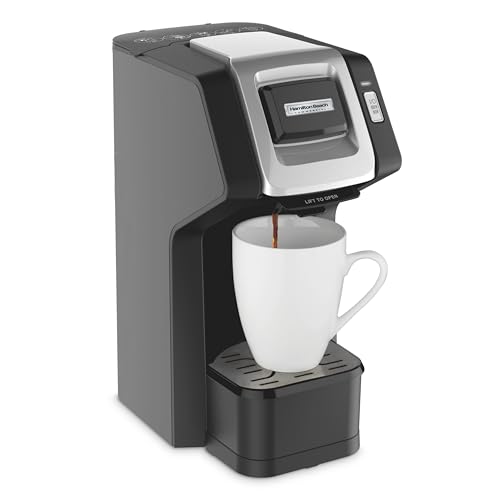

- 9.5
- BrandKeurig

- 9.3
- BrandKeurig
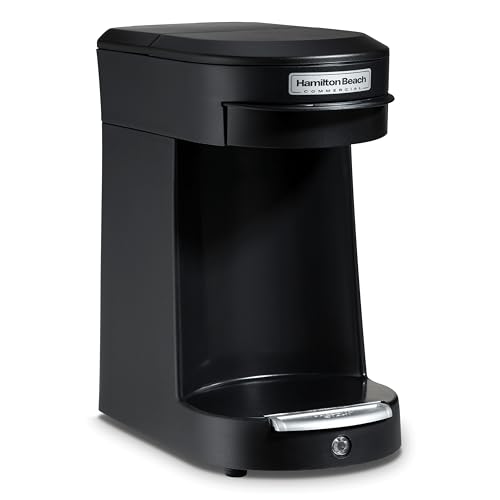
- 9.2
- BrandHamilton Beach Commercial

- 9.0
- BrandKeurig

- 8.8
- BrandCuisinart

- 8.7
- BrandKeurig

- 8.5
- BrandKeurig
Last update on 2026-03-31 / Affiliate links / Images, Product Titles, and Product Highlights from Amazon Product Advertising API
A commercial coffee machine is designed for high-volume use in environments such as offices, cafés, restaurants, and hotels. These machines are built with stronger internal components to handle frequent brewing throughout the day without overheating or wearing down quickly. They often offer faster brew times, larger water reservoirs, and more consistent temperature control than consumer models. Maintenance and cleaning systems are also typically more robust to meet health and safety standards.
What is the difference between commercial and regular Keurig?
The main difference lies in durability, capacity, and performance consistency. Commercial Keurig machines are built to handle repeated daily use, often featuring internal components rated for higher cycles. They usually have larger water tanks, stronger pumps, and more precise temperature control compared to regular home models. Commercial units may also include compatibility with a wider range of pods and stricter compliance with workplace safety standards.
Is a single-serve coffee maker worth it?
A single-serve coffee maker can be worth it for users who value convenience, speed, and portion control. These machines allow individuals to brew one cup at a time, reducing waste and eliminating the need to keep a full pot warm. They are especially practical in shared spaces where coffee preferences vary. However, the overall value depends on usage frequency, pod costs, and expectations for flavor customization.
What are the disadvantages of single serve?
Single-serve coffee makers often have higher long-term costs due to the price of pods compared to ground coffee. They also offer limited control over brew strength and extraction compared to manual methods. Environmental concerns are another drawback, as disposable pods can contribute to waste if not recyclable. In addition, some users find that flavor depth may be less complex than coffee brewed using traditional techniques.
What is the 2 1 rule for espresso?
The 2:1 rule for espresso refers to the brewing ratio between liquid espresso and ground coffee. It means that for every gram of coffee grounds used, the final espresso yield should be about two grams of liquid. For example, 18 grams of coffee would produce approximately 36 grams of espresso. This ratio is commonly used as a baseline to achieve balanced flavor and proper extraction.
How to get restaurant tasting coffee at home?
Getting restaurant-quality coffee at home starts with using fresh, high-quality beans and grinding them just before brewing. Water quality also plays a major role, as filtered water helps avoid off-flavors and mineral buildup. Consistent brewing temperature and proper coffee-to-water ratios are essential for balanced extraction. Finally, regular cleaning of the coffee maker ensures that old oils and residue do not affect taste.
Related Posts:
Top 10 Best Combo Carafe & Single Serve Coffee Maker in 2026: Reviews
10 Best Coffee Maker With Single Serve Option in 2026: Reviews With FAQs
Best Review 10 Best Single Serve Pod Coffee Maker in 2026
The Best Single Serve Coffee Maker of 01 / 2026: Rankings
Selecting the best commercial single serve coffee maker comes down to balancing performance, durability, and ease of use in a demanding environment. The right model should deliver consistent brew quality while supporting efficient workflow and straightforward maintenance. By comparing key features such as capacity, brewing speed, and compatibility, buyers can identify an option that aligns with their daily needs. This review provides a practical framework to evaluate those factors and make a confident, informed purchase decision.

Abolarin Samuel
Abolarin Samuel is a Bachelor of Marketing, he has many good and accurate articles that are highly appreciated by customers, he is funny but extremely serious in his work. He loves to travel and play sports with his friends.







- How to Clean Your Air Conditioner So It Runs Like New All Summer
- Sainlogic SA7 Review: The Best WIFI Smart Weather Station
- Cheap Robot Vacuum and Mop Options for Efficient Home Cleaning
- How to choose a robot vacuum for pet hair
- Ultimate Guide: How to Protect Your Outdoor Security Cameras from Hacks and Vandalism
- How to Maximize Cooling Efficiency with the Best Portable Air Conditioner
- How To Maintain And Clean Your Cooling Fan For Longevity
- How to Fix Smart Switch Won't Connect to Device
- The best smart Wi-Fi router for home
- Guide to cleaning washing machines at home